Design That Performs
Experienced. Collaborative. Program-Built.
Strategy Before Sketch
Most exhibit houses start with a floor plan. We start with a conversation. Before a single line gets drawn, our design team works to understand your brand, your show schedule, your audience, your lead goals, and what it actually takes to stop traffic in your specific competitive environment.
That conversation shapes not just your first exhibit, but your entire program. A design built for one show is a starting point. A design built for your full calendar is a strategy.
Consultative by Design
Our designers don't hand you a template with your logo dropped in. Every project starts with a discovery conversation where we ask the questions most exhibit houses skip: What does your competition look like on the floor? What does your audience respond to? What has and hasn't worked in the past?
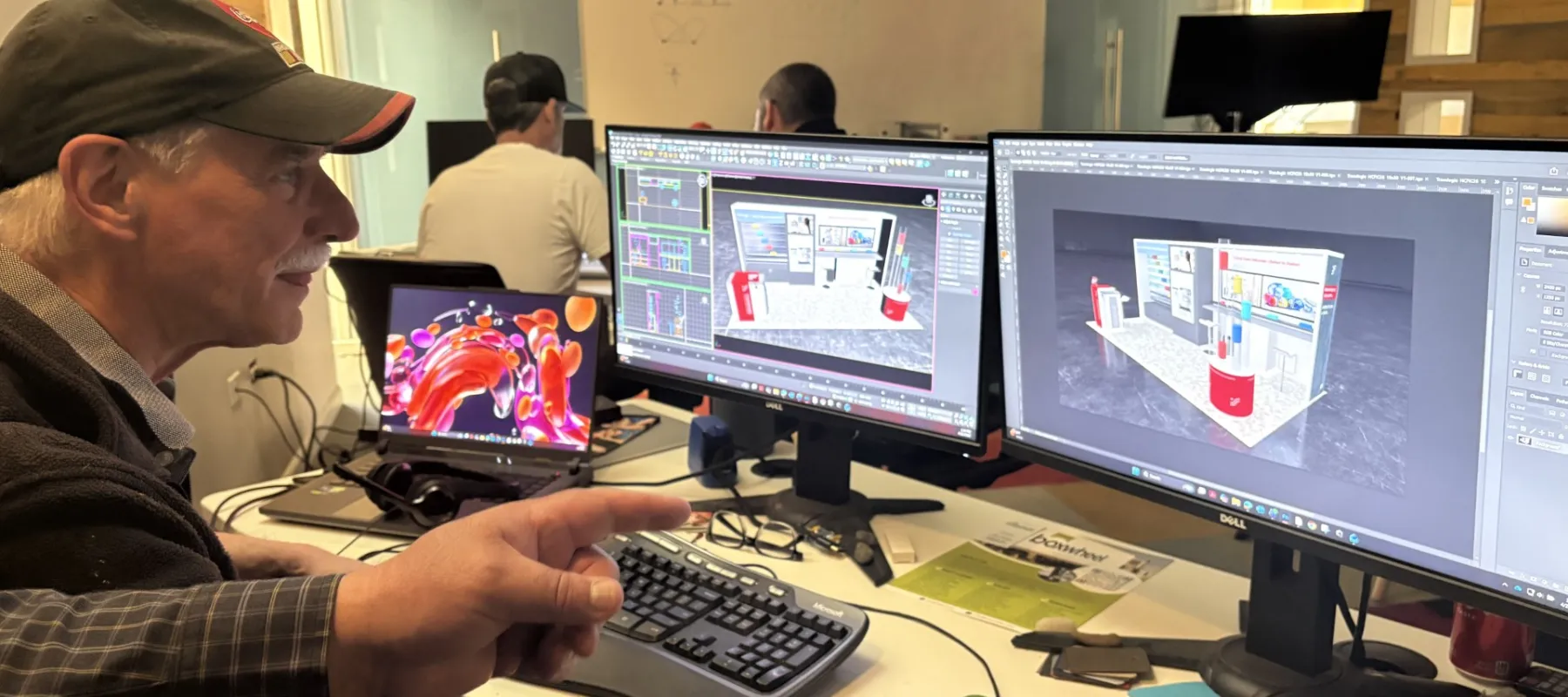
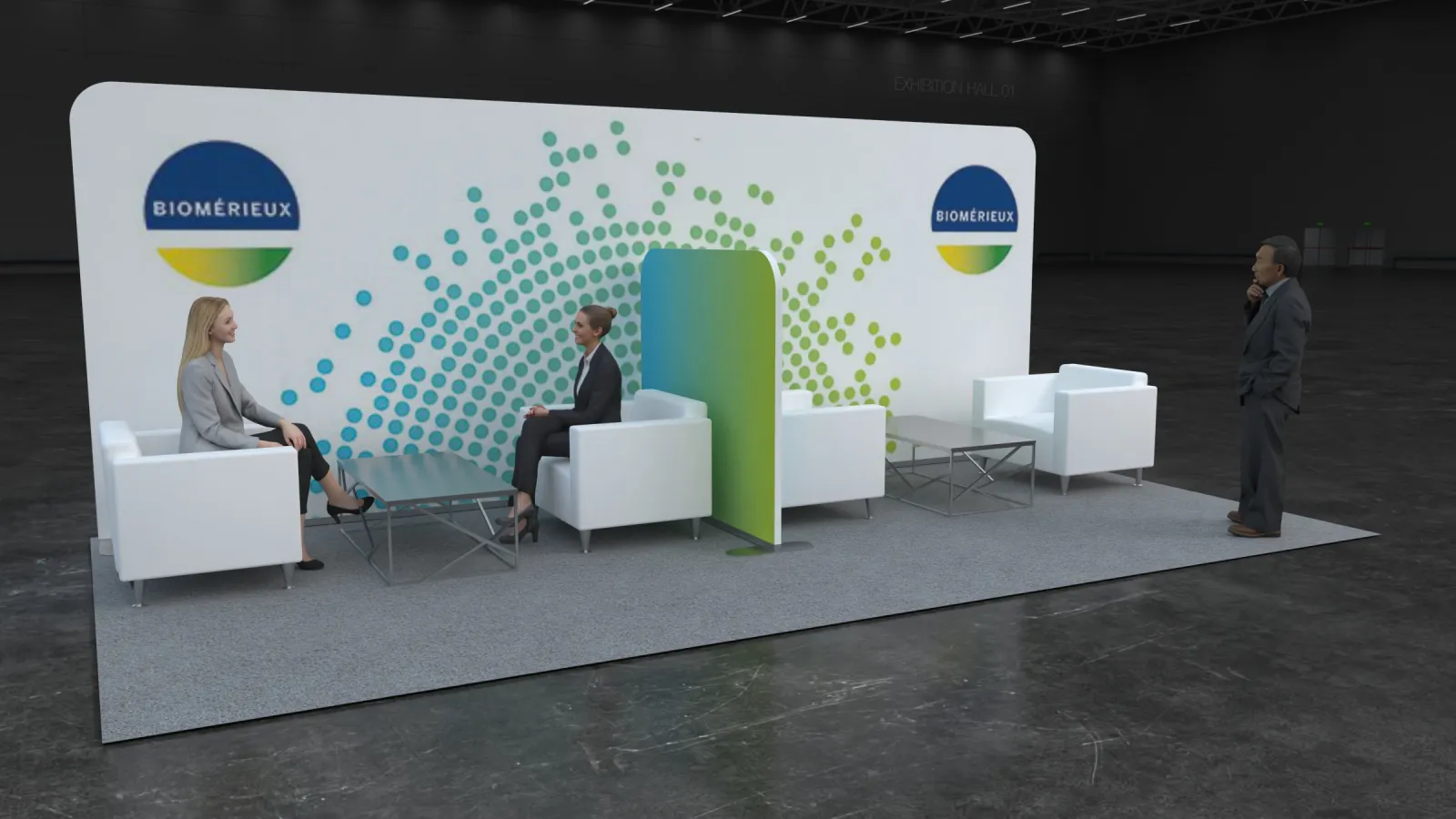
From there we move into concept development, 3D renderings, and an iterative review process that keeps you in control of the direction. We turn initial concepts around in days, not weeks, so you're never waiting on your own project.
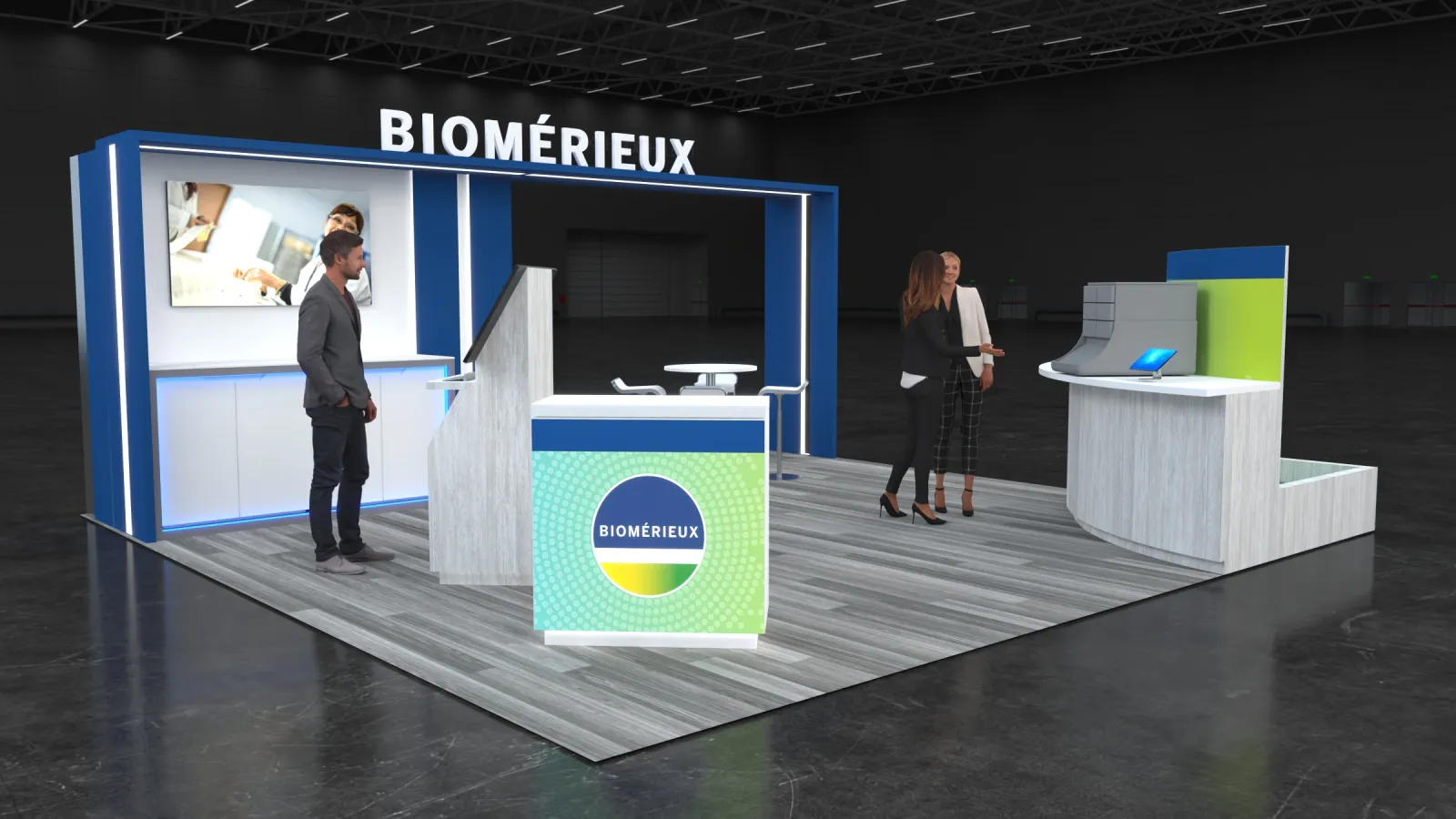
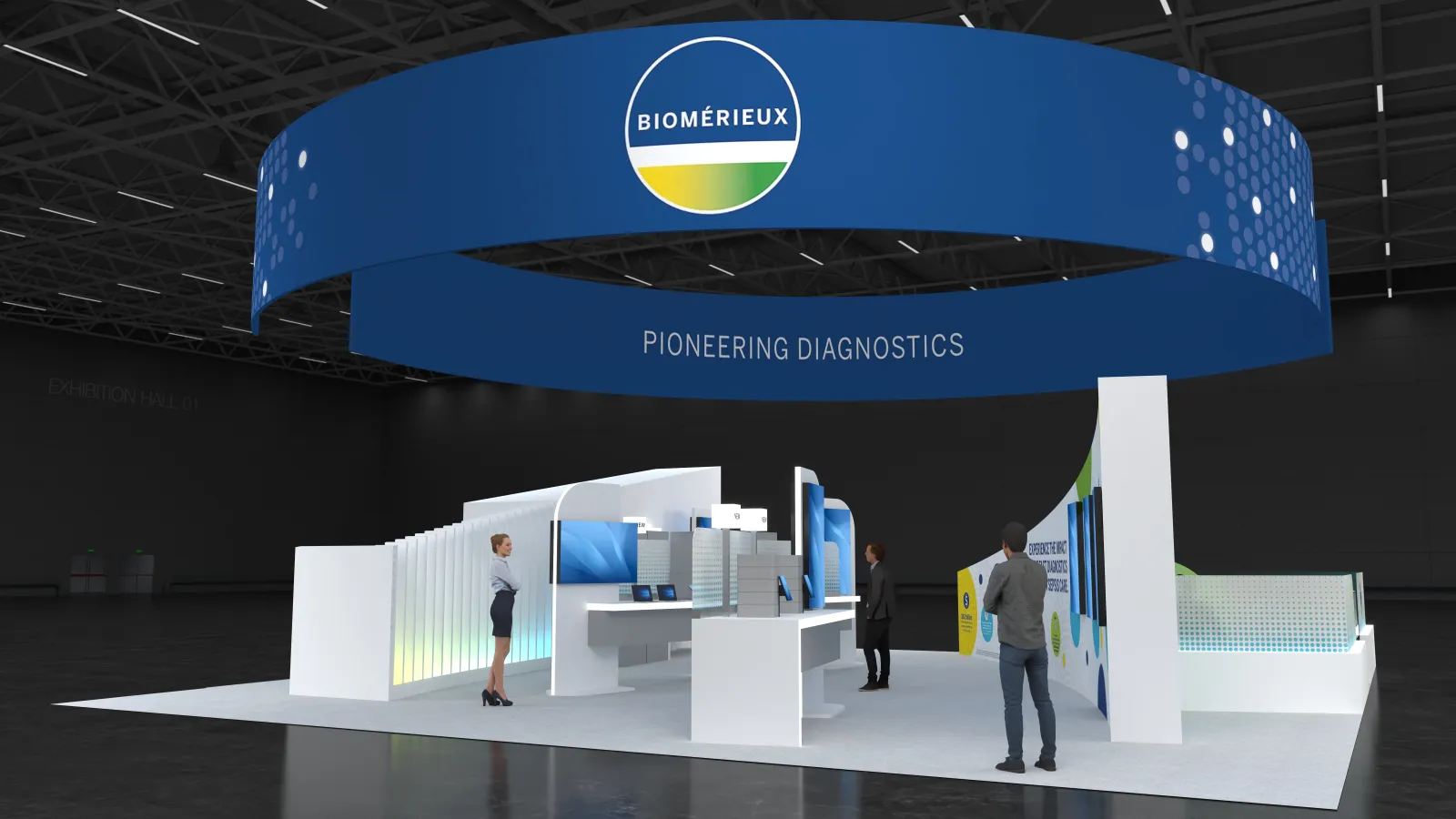
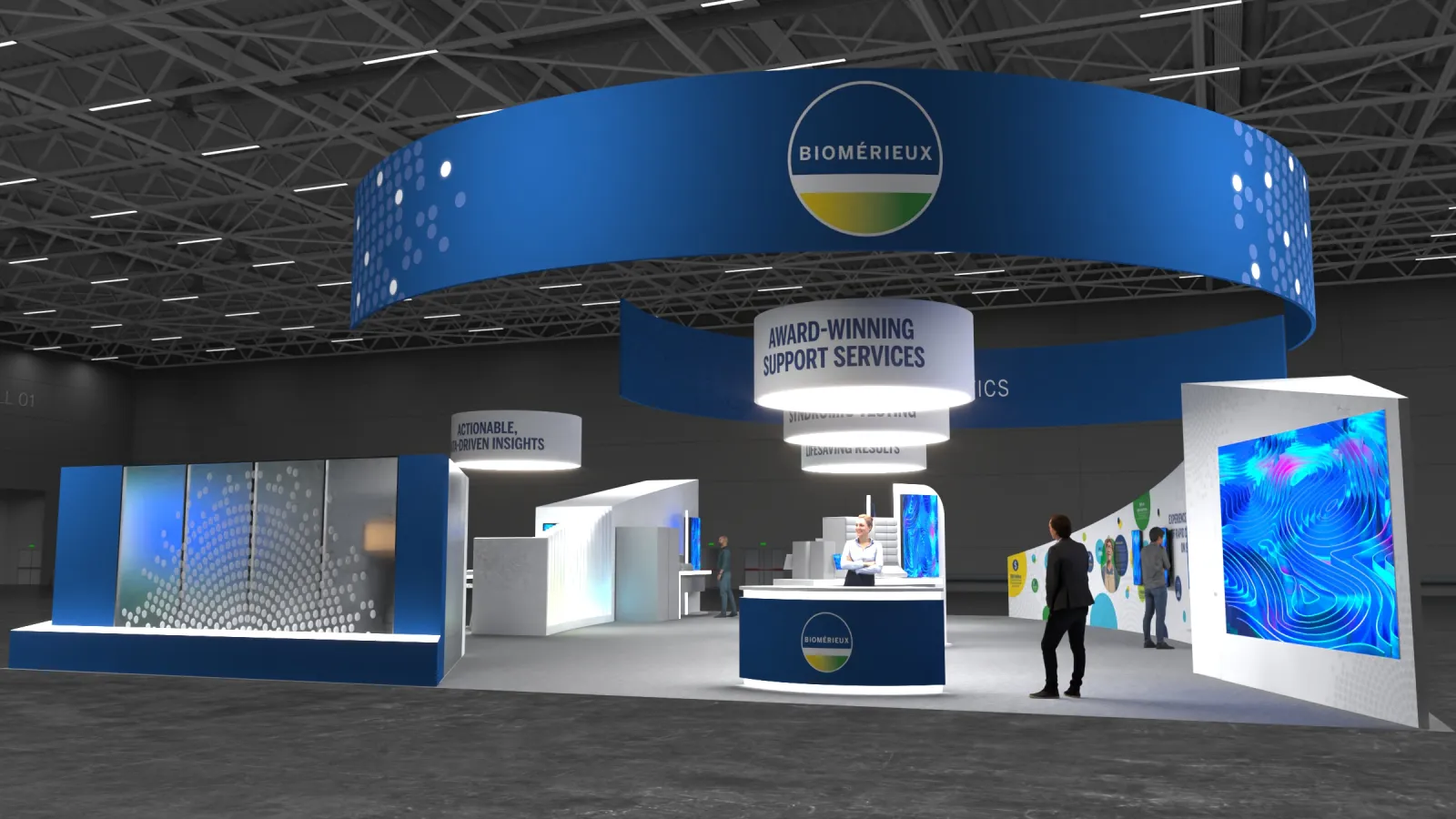
How Our Design Team Works
Strategy Before the Sketch
Our designers don't start with a floor plan. They start with questions. What does your competition look like on the floor? What does your audience respond to? What has to happen for this show to be a success? That conversation shapes every design decision that follows. Our team has been asking these questions for over 30 years which is long enough to know that the right brief produces better work than the best software.
Concepts That Move Fast
Trade show timelines don't wait and neither do we. Initial concepts typically turn around within days of your discovery call, not weeks. Our designers work quickly because they've seen enough shows to know what works and what looks great on a render but falls flat on the floor.
Collaborative by Nature
You stay in control of the direction. We present concepts, take feedback seriously, and iterate until the design reflects exactly what you need. Our review process is transparent and straightforward with no guessing what changed between versions, no surprises at approval.
Designed to Be Built
Because our design and fabrication teams share the same facility, our designers think about constructability from the first sketch. Budget realities, material constraints, and installation logistics are part of the design conversation, not afterthoughts. The exhibit your team approves is the exhibit that gets built, both on budget and on time.
Common Questions About Our Design Process
How long does the trade show exhibit design process take?
Initial concepts typically turn around within a few days of your discovery call. The full design process from first conversation to approved final design usually takes two to four weeks depending on project complexity and revision rounds.
Do you design exhibits of all sizes?
Yes. We design everything from 10x10 inline displays to large island exhibits and permanent installations. The consultative process is the same regardless of size.
Can you work with our existing brand guidelines?
Absolutely. We work directly from your brand standards and can coordinate with your internal marketing team or agency to ensure everything is on-brand.
What does a design consultation involve?
A design consultation is a focused conversation about your goals, your audience, your show schedule, and your budget. It's how we make sure the design we develop actually serves your business objectives rather than just looking good on paper.
Do I have to use PG for fabrication if I work with your design team?
We always recommend keeping design and fabrication with the same team since the handoff between the two is where most problems occur at other companies.
Can you redesign an existing exhibit?
Yes. If your current exhibit isn't performing or your brand has evolved, we can work from your existing structure and refresh the design, graphics, and layout to bring it current.
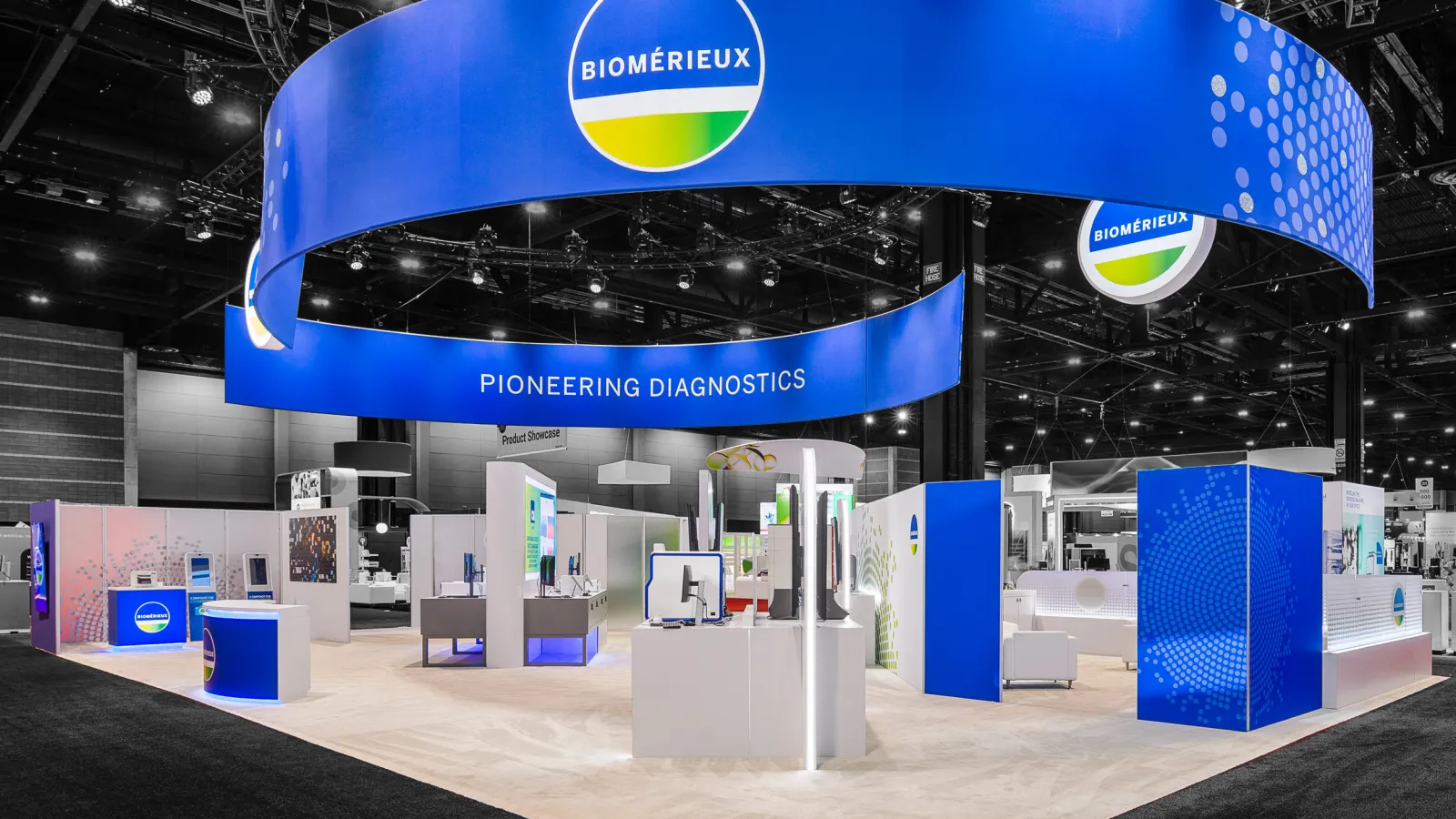
Designed by PG
A sample of custom exhibit designs across industries and sizes.